Key Takeaways
- Polygraph tests do not read minds; they measure physiological responses to questions.
- Nervousness doesn’t automatically lead to failure; examiners factor it into their analysis.
- Countermeasures may raise flags, as trained examiners can identify attempts to cheat the test.
- Polygraphs aren’t 100% accurate, but they can achieve around 90% accuracy when performed correctly.
- Understanding these polygraph myths debunked helps alleviate fear and promotes informed decisions.
Top 10 Misconceptions About Lie Detector Tests
Polygraph tests—commonly known as lie detectors—are surrounded by rumors, myths, and TV drama. While they’ve become a pop culture staple, many people misunderstand how they actually work. In this article, we dive into the myths about polygraphs and provide clarity by debunking them.
At Spectrum Polygraph Services, we’re here to set the record straight. Let’s break down the top 10 misconceptions about polygraph exams and replace them with facts you can trust.
✅ Myth #1: Lie detector tests can read your mind.
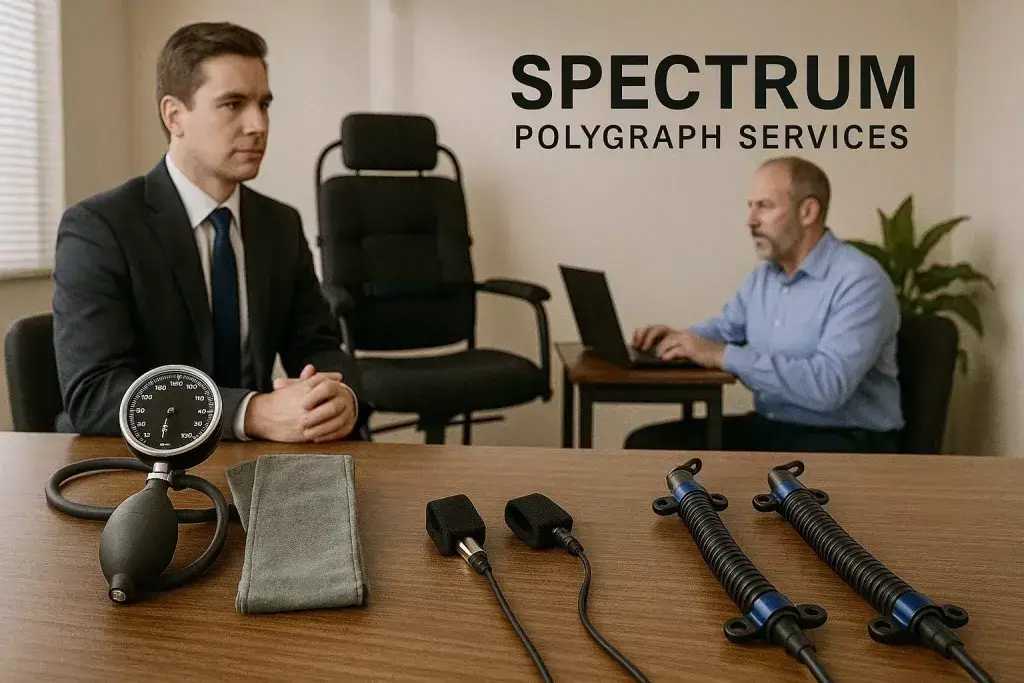
Truth: Polygraphs don’t detect lies—they record physiological changes like breathing, sweat, and heart rate in response to specific questions. When understanding polygraph myths debunked, it’s essential to know the mechanisms behind these devices.
✅ Myth #2: Nervous people automatically fail.
Truth: Everyone is nervous during a polygraph. Examiners establish your baseline response and account for anxiety in the analysis. This understanding contributes to the concept of polygraph myths being debunked.
✅ Myth #3: You can beat the test with tricks or muscle movements.
Truth: Trained examiners can spot countermeasures, and trying to manipulate the test often raises red flags.
✅ Myth #4: Lie detectors are 100% accurate.
Truth: No test is perfect, but when administered by a certified examiner, polygraphs can reach accuracy rates above 90%.
✅ Myth #5: The examiner will try to trick you.
Truth: Ethical polygraph examiners always review the questions with you in advance and conduct tests with transparency and professionalism, further supporting the debunking of polygraph myths.
✅ Myth #6: Polygraphs aren’t used in real investigations.
Truth: Polygraph tests are commonly used by law enforcement, attorneys, private investigators, and employers in sensitive fields.
✅ Myth #7: A failed polygraph means you’re guilty.
Truth: Failing a polygraph means your responses showed physiological changes—it’s not a declaration of guilt. It’s one piece of the puzzle, not absolute proof.
✅ Myth #8: You have to take the test if asked.
Truth: In most cases, you have the legal right to refuse a polygraph test. We always require informed, voluntary consent for participation in tests.
✅ Myth #9: The questions are designed to trap you.
Truth: All questions are reviewed with you ahead of time. You’ll never be surprised or misled during a legitimate exam, illustrating polygraph myths debunked effectively.
✅ Myth #10: Polygraphs are just for criminal suspects.
Truth: Polygraphs are used for relationship testing, employment screening, custody cases, and personal truth verification. They’re far more versatile than TV shows suggest.
Why These Myths Matter
Misunderstanding polygraph testing can lead to:
- Unnecessary fear or anxiety
- Legal misunderstandings or missed opportunities in your case
Understanding the facts helps you make informed decisions.
Trust Spectrum Polygraph Services to Get It Right
We are:
- Certified APA examiners
- Experienced in law enforcement and private testing
- Bilingual (English/Spanish)
- Focused on accuracy, ethics, and clarity
Whether you’re facing an infidelity issue, legal concern, or employment screening, we deliver truth with professionalism and compassion. We ensure understanding of myths around polygraphs being debunked is a priority in all our services.
📞 Have Questions About Polygraph Testing?
We’re here to clarify. Call or visit SpectrumPolygraphs.com to schedule your consultation or exam.